Selecting the right pull-up bar for your home is a key step toward building upper-body strength and creating a consistent workout routine. With so many options available, choosing one that matches your space, fitness level, and goals can feel overwhelming. A well-chosen pull-up bar not only improves performance but also enhances safety and workout variety. Many users pair their pull-up stations with pull-up assist bands to help with progression, warm-ups, and varied resistance training. Knowing how different bar types work with accessories and fit your environment ensures you make a smart investment that supports your fitness journey.
Assessing Your Space and Installation Options
Before you purchase a pull-up bar, evaluate the space where you plan to install it. Doorway-mounted bars are excellent for small apartments and easy to set up without tools, but you must ensure your doorframe is strong enough to support body weight. Wall-mounted bars offer superior stability and support dynamic movements, but they require drilling into studs and may not be suitable for rented spaces. Freestanding pull-up stations take up more floor space but provide a full range of motion with added stability. Understanding your available space and installation constraints helps narrow down the best type of bar for your home and allows room for accessories like pull-up assist bands that enhance training options.
Weight Capacity and Durability Considerations
The durability of your pull-up bar is essential for safety and long-term use. Check the manufacturer’s stated weight capacity and construction materials before buying. Bars made from heavy-gauge steel or reinforced alloys typically offer higher load limits and better resistance to bending or wobbling. This is especially important if you plan to perform weighted pull-ups or intense workouts. A bar with a solid build also accommodates accessories like pull-up assist bands without compromising stability. Investing in a sturdy and well-constructed pull-up bar ensures that you can use it confidently, no matter how your fitness routine evolves over time.
Grip Options and Comfort Features
Grip comfort can significantly impact how often you use your pull-up bar and how effective your workouts are. Bars with multiple grip positions — such as wide, narrow, and neutral — allow you to target different muscle groups. Padded or textured grips enhance comfort and reduce hand fatigue, making it easier to perform more reps. When paired with pull-up assist bands, these features make training more accessible and comfortable for beginners and experienced users alike. Choosing a bar with thoughtful grip design increases your ability to perform varied exercises and maintain proper form, leading to better results and a more enjoyable workout experience.
Compatibility With Accessories
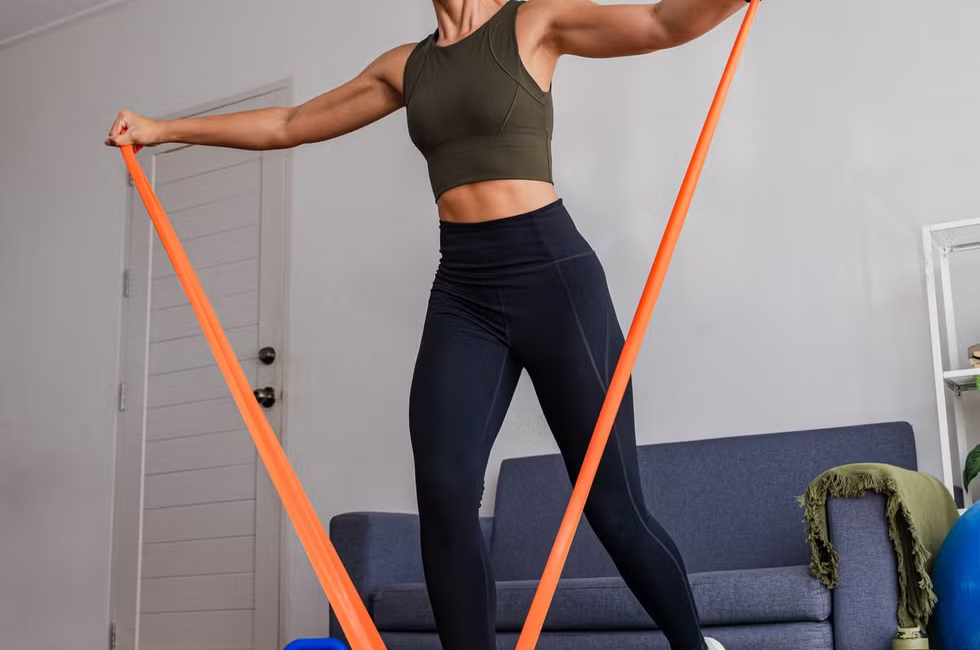
A quality pull-up bar should be compatible with a range of workout accessories to enhance versatility. Some bars include hooks or attachment points for resistance bands, suspension trainers, or gymnastic rings. This compatibility lets you expand your workout options and adapt exercises based on your progress. For example, using pull-up assist bands with your bar helps reduce the difficulty of pull-ups while building strength and muscle control. Other accessories, like ab straps or dip attachments, further diversify your home workouts. Choosing a bar that works well with accessories ensures you get more value and flexibility from your setup.
Ease of Installation and Maintenance
Ease of installation can influence how quickly you start using your pull-up bar and how often you move or adjust it. Doorway bars that require no tools are ideal for temporary setups or renters who cannot drill into walls. Wall-mounted bars demand precision and proper tools for secure installation, and you may need professional help. Freestanding stations are easy to assemble but require more space. Additionally, regular maintenance — such as tightening bolts and checking for wear — keeps your equipment safe and functional. Ensuring the bar you choose is user-friendly in setup and upkeep helps maintain consistency in your workouts.
Conclusion on Choosing the Right Home Pull-Up Bar
Choosing the right pull-up bar for your home comes down to matching your space, strength level, and training goals. Consider installation requirements, weight capacity, grip comfort, accessory compatibility, and maintenance needs when selecting the best model. Integrating tools like pull-up assist bands with your bar enhances progression and training variety, especially for beginners. With thoughtful selection and proper setup, a well-chosen pull-up bar becomes a central piece of your home gym that supports effective and enjoyable strength training for years to come.