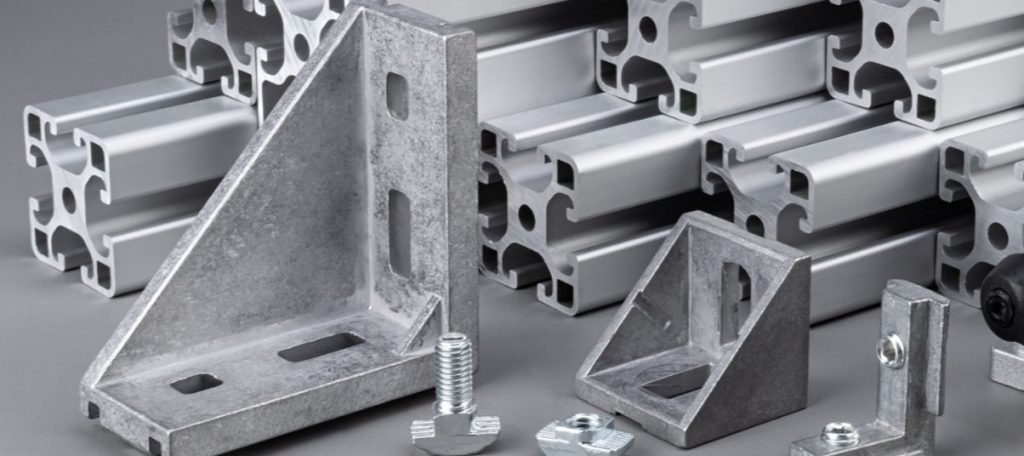
As energy costs continue to rise and sustainability becomes a core focus in the construction industry, builders and architects are searching for materials that contribute to long-term energy savings. Among the many innovations reshaping the modern world of architecture, aluminum frames—referred to as 鋁架 in Chinese—have emerged as a powerful solution for improving building performance. Their impact reaches far beyond structure and style: aluminum frames are now key drivers of energy-efficient building design.
Superior Thermal Performance
Traditionally, metal has not been considered the best insulating material, but modern technology has changed that perspective. Today’s鋁架 are equipped with thermal break systems, which involve inserting insulated materials between interior and exterior surfaces to reduce heat transfer. This helps maintain comfortable indoor temperatures year-round.
- In hot climates, aluminum frames limit heat from entering the building
• In cold climates, they prevent warmth from escaping
This improvement in energy performance reduces heating and cooling demand, lowering utility bills and decreasing environmental impact.
Better Efficiency with Advanced Glazing Compatibility
Modern buildings increasingly rely on large glass installations to maximize natural light inside. Aluminum frames support double and triple glazing systems, providing strengthened insulation and enhanced thermal control.
Paired with high-performance glazing:
- Indoor comfort improves significantly
- HVAC systems operate more efficiently
- Daylight enters deeper into interior spaces
The result is a brighter, more comfortable environment with reduced dependence on artificial lighting—a crucial factor for energy efficiency standards.
Airtight Sealing for Strong Climate Control
Energy efficiency also depends on minimizing air leakage.鋁架 systems are designed with precise fabrication and strong sealing mechanisms that help eliminate drafts and maintain consistent temperatures indoors. By reducing air infiltration:
✔ Less energy is wasted
✔ Air-conditioning systems run smoother
✔ Indoor environments remain stable and comfortable
This is especially beneficial in high-rise buildings where wind pressure can strain weaker frame materials.
Durability Minimizes Resource Waste
Sustainable building practices consider not just energy use but overall life cycle performance. Aluminum frames are extremely durable, resisting corrosion, moisture, UV exposure, and weather-related damage. This long lifespan reduces the need for frequent replacement or repair, which directly contributes to:
- Lower material waste
- Fewer manufacturing emissions over time
- Reduced environmental footprint
鋁架 provides long-term building value while supporting eco-friendly development standards.
Recyclability Supports the Circular Economy
Another key sustainability factor is the recyclability of construction materials. Aluminum is:
- 100% recyclable
- Reusable without losing structural strength
- Widely accepted in global recycling systems
Recycling aluminum requires only 5% of the energy used to produce new aluminum from raw materials. As global recycling infrastructures grow, aluminum frames help support a circular economy where sustainability and performance go hand in hand.
Enhanced Solar Reflection Reduces Heat Gain
Aluminum frames can be finished with powder coatings and special treatments to reflect sunlight and heat. In buildings located in sunny climates, this reduces solar heat gain and enhances energy efficiency further. It prevents interior materials from fading and keeps rooms cooler with minimal mechanical cooling.
Conclusion: The Efficient Choice for Modern Construction
From improved insulation and airtight sealing to recyclability and durability, 鋁架 delivers unmatched advantages for energy-efficient buildings. As the world continues shifting toward greener architecture and stricter performance standards, aluminum frames are rapidly becoming the go-to choice for designers and developers. They transform building envelopes to be smarter, stronger, and better for the planet—proving that efficiency and innovation can coexist beautifully.