A home is much more than a structure—it’s a sanctuary, a place where personality, comfort, and style converge. Creating a living environment that reflects individuality while remaining functional can feel challenging, yet with thoughtful planning, anyone can turn their space into an inviting, aesthetically pleasing haven. Below, we explore several strategies to elevate your interiors, combining creativity with practicality.
Embrace Natural Elements
Bringing elements of nature indoors is one of the most effective ways to foster warmth and balance. Wood, stone, and plants can add texture, color, and life to any room. Wooden furniture, for example, introduces a timeless elegance and can harmonize with both modern and classic interiors. If you prefer a lighter touch, small stone accessories or ceramic pots can create subtle, earthy undertones.
Indoor greenery is another powerful tool. Houseplants not only enhance visual appeal but also improve air quality. Varieties like fiddle leaf figs, snake plants, and pothos are easy to maintain and can transform corners or empty spaces into focal points. For a modern twist, consider creating a vertical garden or hanging planters in kitchens and bathrooms.
Play with Light and Shadow
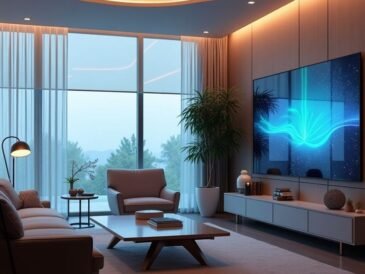
Lighting can dramatically alter the perception of a room. Layers of illumination—from ambient ceiling lights to task-focused reading lamps—ensure that spaces are versatile and comfortable. Soft, warm lighting encourages relaxation, while brighter, cooler tones can energize a workspace or kitchen.
Natural sunlight is equally essential. Mirrors placed strategically can amplify daylight, making rooms feel larger and airier. If windows are limited, opt for reflective surfaces, glass furniture, or light-colored walls to simulate openness.
Color Schemes That Speak
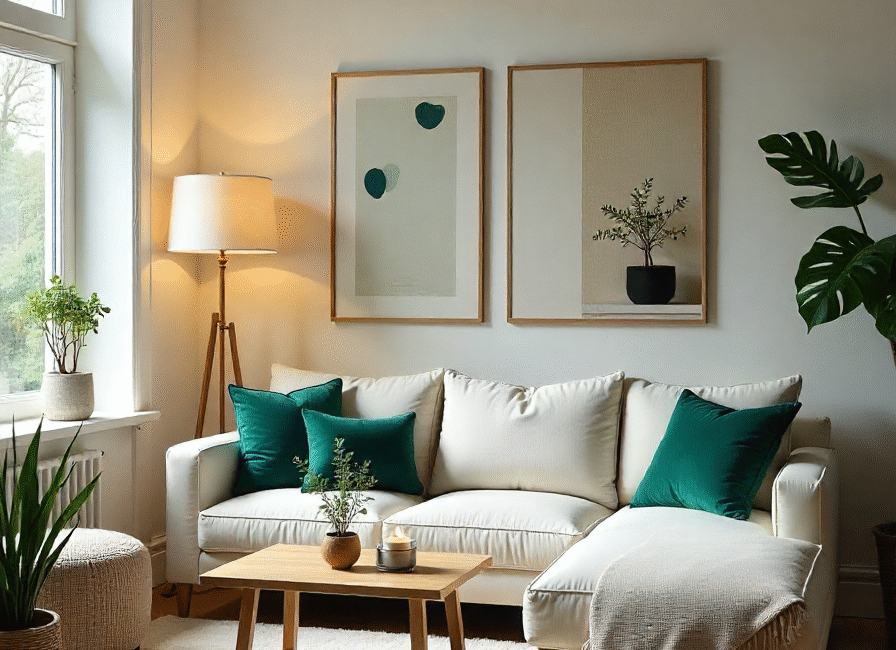
Choosing a palette is more than a matter of preference; it defines the atmosphere of your home. Neutral shades, such as ivory, taupe, or soft gray, create a calm, versatile foundation, allowing furniture, artwork, or textiles to shine. For a more vibrant ambiance, jewel tones like emerald, sapphire, or ruby can serve as accent colors, highlighting specific features like cushions, rugs, or a statement wall.
A common mistake is overwhelming a space with too many contrasting shades. Instead, stick to two primary tones and one accent color. This approach ensures visual cohesion while leaving room for seasonal changes or small decorative updates.
Functional Yet Stylish Storage
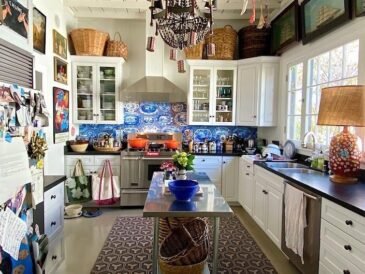
Clutter can undermine even the most elegant interiors. Smart storage solutions combine form and function, preserving a room’s aesthetic without sacrificing convenience. Floating shelves, built-in cabinets, and multifunctional furniture—such as ottomans with hidden compartments—help maintain order while adding charm.
Consider vertical storage in smaller rooms. Tall bookcases, wall-mounted hooks, or hanging baskets maximize space while keeping essentials within reach. In living areas, storage benches or side tables with drawers allow belongings to remain accessible yet discreet.
Textures and Layers
Texture introduces depth and sensory interest. Combining soft fabrics, such as velvet cushions, wool throws, or linen curtains, with harder materials like metal, wood, or glass, creates a balanced tactile experience. Rugs can define zones in open-plan spaces, while layered textiles enhance comfort and style.
Mixing textures doesn’t require complexity. Even subtle variations—like a matte vase on a glossy table—can generate visual intrigue. The key is to maintain harmony: choose a dominant texture and complement it with two or three secondary ones.
Personalization Through Art and Accessories
Decorative items are where personality truly shines. Artwork, photographs, and handmade crafts can transform blank walls into galleries of individual taste. For a cohesive look, consider framing prints in a uniform style or aligning wall pieces along geometric grids.
Accessories like lamps, clocks, and mirrors offer opportunities to blend functionality with flair. Opt for items that resonate with your lifestyle—whether it’s a vintage lamp for cozy evenings or a bold sculpture as a conversation starter.
Seasonal Refreshes
Refreshing your home in accordance with the seasons keeps the environment dynamic and engaging. In spring and summer, light fabrics, bright colors, and fresh flowers can energize the atmosphere. During autumn and winter, heavier curtains, plush cushions, and layered rugs contribute warmth and comfort.
Seasonal décor doesn’t need to be expensive. Simple changes, such as swapping cushion covers, introducing scented candles, or arranging fresh branches, can provide a significant impact without cluttering the space.
Open-Plan Living: Creating Harmony
Open-plan layouts are increasingly popular, offering flexibility and natural light. However, they can feel chaotic without careful zoning. Rugs, furniture arrangement, and lighting can define distinct areas for dining, relaxation, or work, while maintaining a sense of unity.
Visual consistency is essential. Using a common color palette or repeating material choices across zones ensures that each area feels connected rather than disjointed.
Sustainable Choices
Sustainability in interior design isn’t just a trend—it’s a long-term investment in both aesthetics and the environment. Opting for reclaimed wood, recycled metals, or low-impact textiles reduces ecological footprint while adding unique character.
Energy-efficient lighting, water-saving fixtures, and eco-friendly paints contribute to a healthier, cost-effective home. Even minor choices, like supporting local artisans or buying second-hand furniture, can foster individuality while promoting responsible consumption.
Small Spaces, Big Impact
Even compact homes can exude style. Mirrors, multi-purpose furniture, and clever shelving create the illusion of space. Choosing a consistent color palette and minimizing clutter enhances visual flow.
Every element matters in smaller areas. A well-placed plant, statement lamp, or textured rug can elevate the ambiance without overwhelming it. The key is balance: each piece should serve both function and aesthetic.
Final Thoughts
Designing a home that feels inviting, stylish, and practical is a journey, not a one-time task. It involves understanding how light, color, texture, and layout interact while allowing space for personal expression. By integrating natural elements, layering textures, planning effective storage, and embracing seasonal or sustainable changes, you can create an environment that nurtures comfort, creativity, and peace.
Ultimately, the most beautiful spaces are those that reflect the people living in them. Thoughtful design is about harmony—between style and function, trends and timelessness, and above all, between your home and your life.